
Do you suffer from a damp in your property?
Damp walls in homes are a widespread issue that many property owners encounter. This problem not only affects the aesthetic appeal of your living spaces but also poses significant risks to the structural integrity and health of your property. Dampness in walls can lead to a range of issues, from unsightly mold and mildew growth to more serious structural damage over time. Furthermore, the presence of damp can contribute to health problems.
The causes of damp walls are varied and can include factors such as rising damp, where moisture from the ground rises through the walls, penetrating damp caused by water ingress from outside, and condensation resulting from high humidity levels inside the home.
At 1st Call Heritage, we understand the challenges that damp walls present and the importance of addressing them promptly and effectively.
Tell us about your damp problem by calling us on 01243 379 295
Damp walls are a prevalent issue in many homes, characterized by excess moisture within wall structures. This moisture can stem from various sources, leading to different types of damp problems. The most common causes include:
Rising Damp: This occurs when ground water moves up through a wall or floor. It’s often due to a damaged or inadequate damp-proof course (DPC) or the absence of one altogether.
Penetrating Damp: Caused by water leaking through walls, this type of damp is typically the result of structural problems, such as faulty guttering or roofing, or cracks in the walls.
Condensation: This is the most common form of damp and occurs when moist air condenses on walls, particularly in areas with poor ventilation. It’s often prevalent in kitchens and bathrooms, where steam and moisture are regularly generated.
Recognizing the signs of damp walls is crucial for early intervention. Some of the key indicators include:
Neglecting damp walls in your home can lead to a host of problems, impacting both the property and the health of its occupants. Here are some risks associated with untreated damp walls:
Structural Damage: Over time, prolonged exposure to moisture can weaken the structural integrity of your home, potentially leading to serious issues like decay in timber, crumbling plaster, and weakened masonry.
Health Risks: Damp environments are breeding grounds for mold and mildew, which can exacerbate or lead to respiratory problems, allergies, and asthma.
Decreased Property Value: Damp problems can significantly lower the value of your property, making it less appealing to potential buyers or renters.
Increased Energy Bills: Damp walls can reduce the effectiveness of insulation, leading to higher heating costs as you try to keep your home warm.
Aesthetic Damage: Aside from the structural damage, damp walls can ruin the interior aesthetic of your home, with unsightly damp patches, mold growth, and damaged decorations.
Understanding the causes, signs, and risks of damp walls is the first step in addressing this issue effectively. Early detection and intervention can prevent the escalation of these problems, saving you significant costs and hassle in the long run.
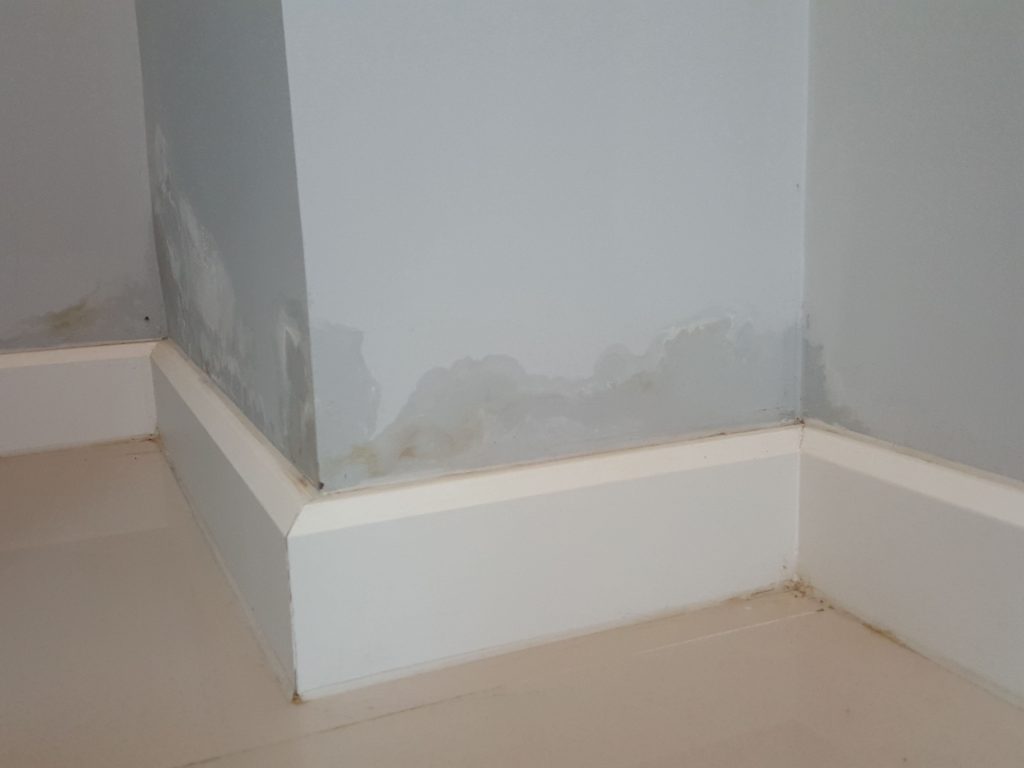
Penetrating damp is a common issue that affects many homes, particularly older buildings. It occurs when water from the outside infiltrates the building’s walls, leading to damp patches on internal walls. Understanding how to identify penetrating damp is crucial for timely and effective treatment. Here’s a guide to help you recognise the signs of penetrating damp on your walls.
Localized Damp Patches: Penetrating damp typically manifests as localized patches of dampness on walls. These patches may appear darker than the surrounding area and often feel damp to the touch.
Horizontal Spread: Unlike rising damp, which moves vertically, penetrating damp tends to spread horizontally across walls. It can occur at any level, depending on where the external water source is.
Visible Exterior Damage: Often, the external cause of penetrating damp, such as damaged guttering, roofing, or cracks in the wall, can be visible from the outside. Checking the exterior of your property for such damage can provide clues.
Deterioration of Wall Materials: Penetrating damp can cause wallpaper or paint to peel, plaster to crumble, and wood to rot. These are signs that moisture has been present for an extended period.
Mold Growth: Damp walls are conducive to mold growth. If you notice black or green mold forming on your walls, it’s likely a sign of penetrating damp.
Musty Smell: A damp, musty odor is often present in rooms affected by penetrating damp. This smell is particularly noticeable in enclosed spaces or during damp weather conditions.
Inspect Walls for Damp Patches: Regularly check your walls for any signs of dampness. Pay particular attention to areas near windows, doors, and corners.
Check Externally: Examine the outside of your property for any damage to the roof, gutters, or walls that could allow water to enter.
Look for Interior Damage: Keep an eye out for peeling paint or wallpaper, crumbling plaster, and any mold growth on your walls.
Smell for Mustiness: Trust your nose. A musty, damp odor is a strong indicator of penetrating damp.
Seek Professional Advice: If you suspect penetrating damp but are unsure, consider consulting a damp proofing specialist for a professional assessment.
Identifying penetrating damp early can prevent more serious structural damage and health risks. By being vigilant and taking note of the signs and symptoms of penetrating damp, you can address the issue before it escalates. Should you find evidence of penetrating damp in your home, it’s advisable to contact a professional like 1st Call Heritage for a comprehensive assessment and tailored damp proofing solutions.


Repairing damp on walls is a critical maintenance task for homeowners, but it’s natural to wonder about the costs involved. The cost of damp repair can vary widely depending on several factors, including the extent of the damp, the cause, the size of the affected area, and the specific treatment required. Here, we provide an overview of the factors influencing the cost and what homeowners can typically expect.
Extent of Damp Damage: The more extensive the damp, the higher the cost. Larger areas require more materials and labor, increasing the overall expense.
Cause of Damp: Different causes of damp (such as rising damp, penetrating damp, or condensation) require different treatment methods. Some treatments may be more complex and costly than others.
Type of Treatment Required: The cost can vary based on the treatment solution, such as damp proof course installation, membrane systems, or chemical damp proofing.
Condition of the Property: The current state of your property can affect the cost. Older properties or those with significant pre-existing damage may require more extensive repairs.
Location of the Property: Geographic location can influence costs due to variations in labor rates and material costs.
Additional Repairs: Sometimes, damp can cause damage to plaster, paint, or wallpaper, which may require additional repair work.
While it’s challenging to provide a one-size-fits-all figure, homeowners can expect a range of costs depending on their specific circumstances. Minor repairs for small areas of damp might start from a few hundred pounds, while more extensive treatments for severe damp issues could cost several thousand pounds.
The best way to get an accurate estimate is to have a professional damp survey conducted. This will allow an expert to assess the extent of the damp and recommend the most effective and cost-efficient solution.
While it might be tempting to opt for a cheaper solution or a DIY approach, professional treatment is essential for a long-lasting and effective remedy. Investing in quality workmanship and materials can save money in the long run by preventing recurrent damp issues.
The cost of repairing damp on walls varies based on several factors, but understanding these can help homeowners budget effectively. Seeking professional advice is key to getting an accurate estimate and ensuring the problem is resolved effectively. At 1st Call Heritage, we provide comprehensive damp surveys and tailored solutions, ensuring high-quality repairs at a fair price. If you’re facing damp issues, contact us for a professional assessment and a detailed quote.
Preventing damp is much more manageable and cost-effective than dealing with its consequences. Damp can cause structural damage, health problems, and reduce the value of your property. Fortunately, there are several straightforward measures you can take to prevent damp in your home. Here are some practical tips from 1st Call Heritage on how to easily prevent damp.
Ventilate Regularly: Ensure that your home is well-ventilated, especially in areas like kitchens, bathrooms, and basements where moisture is more prevalent. Open windows regularly to allow air circulation.
Use Extractor Fans: Install and use extractor fans in areas with high humidity, such as bathrooms and kitchens, to remove moist air.
Avoid Air Drying Clothes Indoors: If possible, dry clothes outside or in a tumble dryer vented to the outside to prevent excess moisture.
Keep a Consistent Temperature: Maintain a steady temperature in your home, as fluctuations can lead to condensation
Use Dehumidifiers: Consider using a dehumidifier in areas prone to high humidity to reduce moisture levels.
Regular Inspections: Regularly inspect your property for signs of damp, such as mold, damp patches, or a musty smell.
Fix Leaks Promptly: Repair any leaks in your roofing, plumbing, or guttering as soon as they are detected.
Seal Windows and Doors: Ensure that windows and doors are properly sealed to prevent rainwater from seeping in.
Damp Proof Course (DPC): Ensure your property has a DPC, and it is in good condition. If you live in an older property without a DPC, consider having one installed.
Waterproofing Membranes: For areas prone to damp, such as basements, consider installing waterproofing membranes to protect against water ingress.
Maintain External Walls: Keep external walls well-maintained and repair any cracks or damage that could allow water to enter.
Improve Drainage: Ensure that your property has adequate drainage to prevent water from pooling around the foundation.
Consult with Experts: If you’re unsure about the best ways to prevent damp in your home, or if you notice any signs of damp, seek advice from damp proofing professionals like 1st Call Heritage.
Dealing with damp on walls is a concern for many homeowners, not just for the structural and health implications but also for the potential repair costs. Understanding the financial aspect of damp repair is essential for effective budgeting and decision-making. Here, we delve into the various factors that influence the cost of repairing damp on walls and provide an overview of what you might expect to spend.
Extent of Damp: The size and severity of the damp area significantly affect the cost. Larger affected areas require more materials and labor, increasing the expense.
Type of Damp: The nature of the damp problem (rising damp, penetrating damp, condensation) dictates the treatment method and, consequently, the cost. Some treatments are more complex and costly than others.
Treatment Method: The specific damp proofing method employed (damp proof course installation, membrane systems, chemical damp proofing) varies in cost due to the differing materials and labor involved.
Property Condition: The age and condition of the property can impact the cost. Older or poorly maintained properties may require additional preparatory work or more extensive repairs.
Additional Repairs: Damp often causes secondary damage (rotted wood, peeling wallpaper, mold growth), and repairing these can add to the total cost.
Geographical Location: Labor and material costs can vary depending on your location, affecting the overall price of damp repairs.
Minor Damp Issues: For small, localized damp problems, repairs might start from a few hundred pounds.
Moderate to Severe Damp: For more extensive damp issues, including those requiring structural repairs, costs can run into several thousand pounds.
Professional Assessment: The most reliable way to get an accurate estimate is to have a professional damp survey conducted. This assessment will identify the extent of the damp, the most effective treatment, and any additional repairs needed.
Prevention of Further Damage: Addressing damp promptly and professionally can save you money in the long run by preventing more extensive and costly damage.
Enhanced Property Value: A damp-free home is more appealing to potential buyers and renters, potentially increasing your property’s market value.
Damp on walls is a common issue in many homes, but it can be effectively addressed with the right approach. Whether you’re dealing with rising damp, penetrating damp, or condensation, there are specific steps you can take to eliminate dampness and protect your home. Here’s a guide from 1st Call Heritage on how to effectively get rid of damp on walls.
Rising Damp: Typically occurs at the base of walls and results from moisture rising from the ground. Look for tide marks or salt deposits on the walls.
Penetrating Damp: Caused by water ingress from the outside, often due to structural issues. Signs include localized damp patches, often at any height on the wall.
Condensation: Formed when warm, moist air comes into contact with cold surfaces. Indicated by water droplets on walls, mold growth, and a musty smell.


Improve Ventilation: Increase air circulation in your home, especially in high-moisture areas like kitchens and bathrooms. Regularly open windows and consider installing extractor fans.
Fix Structural Issues: For penetrating damp, repair any external structural problems like cracked walls, damaged guttering, or faulty roofing.
Install a Damp Proof Course (DPC): If rising damp is an issue, installing or repairing a DPC can be an effective solution.
Use Damp Proofing Membranes: These can be applied to internal walls to prevent moisture ingress, particularly useful in basements or areas with high external ground levels.
Apply Chemical Damp Proofing Treatments: Such treatments can inject a water-repelling solution into the walls, creating a barrier against moisture.
Control Humidity: Use dehumidifiers to reduce indoor humidity levels, and avoid activities that create excessive moisture, like drying clothes indoors.
Address Mold Growth: Clean existing mold with appropriate mold removal products, ensuring proper safety precautions.
Seek Professional Help: For effective and lasting results, consult with damp proofing specialists like 1st Call Heritage. We can conduct a thorough damp survey and recommend the best course of action.
Treating damp walls internally is crucial to protect the structural integrity of your home and create a healthy living environment. Damp walls can lead to a host of problems if not addressed properly. Here, we outline the steps and methods for effective internal treatment of damp walls, as advised by the experts at 1st Call Heritage.
Before treating damp walls internally, it’s essential to identify the source of the dampness. Common causes include:
Rising damp due to a defective or non-existent damp-proof course (DPC).
Penetrating damp caused by structural issues like leaking pipes or roof damage.
Condensation resulting from poor ventilation and high humidity levels inside the home.
Address the Source: Fix any external issues contributing to damp, such as leaky roofs, broken pipes, or cracks in external walls.
Improve Ventilation: Increase air circulation to reduce indoor humidity levels. Use extractor fans in bathrooms and kitchens, and open windows regularly.
Install a DPC if Necessary: If rising damp is the issue, installing a new DPC or repairing the existing one can effectively block moisture from rising.
Use Damp-Proofing Creams or Injections: These treatments create a water-repellent barrier within the walls, preventing moisture from penetrating.
Apply Internal Waterproofing Membranes: Membranes can be affixed to damp walls to provide a barrier against moisture, ideal for basements and below-ground areas.
Treat and Remove Mold: Clean existing mold using appropriate fungicidal treatments. Always wear protective gear during mold removal.
Replaster Damaged Walls: Once the source of damp is treated, replaster or redecorate the walls with damp-resistant materials.
Use Dehumidifiers: These can help to control humidity levels and dry out damp areas more quickly.
For the most effective treatment, it’s recommended to consult with damp proofing professionals. A specialist can conduct a thorough assessment, identify the exact cause of dampness, and recommend the most appropriate treatment method. Professionals can also ensure that the treatment is applied correctly for long-lasting results.
Regular Inspections: Regularly inspect your property for early signs of damp or water ingress and address them promptly.
Maintain External Property: Keep gutters, downpipes, and external walls well-maintained to prevent water penetration.
Manage Indoor Humidity: Regularly monitor and control indoor humidity levels, especially during colder months.
Treating damp walls internally requires a comprehensive approach that addresses both the source of the damp and the symptoms it causes. Professional intervention is often necessary to ensure that the treatment is effective and long-lasting. At 1st Call Heritage, we specialize in diagnosing and treating all types of damp problems, offering tailored solutions to keep your home damp-free and healthy. If you’re struggling with damp walls, contact us for expert advice and effective treatment options.
External treatment of damp walls is an essential aspect of damp proofing, helping to prevent moisture from entering your home. Treating damp from the outside not only addresses the immediate problem but also helps in preventing future occurrences. Here are the steps and methods for effectively treating damp walls externally, as recommended by the experts at 1st Call Heritage.
The first step in treating damp walls externally is to identify the source of the dampness. Common external causes include:
Repair Structural Damage: Address any visible damage to the property’s exterior, such as cracks in the walls, broken roofing tiles, or damaged guttering.
Improve Drainage: Ensure that the property has adequate drainage to prevent water from accumulating near the foundation. This may include fixing gutters, installing drainpipes, or landscaping to divert water away from the building.
Apply Waterproof Exterior Coatings: These specialized coatings can be applied to the external walls to create a waterproof barrier that prevents moisture from penetrating.
Repointing Brickwork: If the mortar between bricks is damaged, repointing can help to seal gaps and prevent water ingress.
Install or Repair Damp Proof Courses (DPCs): A DPC at the base of external walls can prevent rising damp. If the existing DPC is damaged or inadequate, consider repairing or installing a new one.
Seal Windows and Doors: Ensure that all windows and doors are properly sealed to prevent rainwater from seeping through.
While some minor repairs can be DIY projects, professional assessment and treatment are crucial for effective and long-lasting solutions. Damp proofing specialists can accurately diagnose the cause of dampness and recommend the most suitable external treatments. They can also ensure that the treatments are correctly applied to protect your home effectively.
Regular Maintenance: Regularly inspect and maintain the property’s exterior, including the roof, gutters, and walls.
Prompt Repairs: Address any damage or wear and tear promptly to prevent water ingress.
Monitor Ground Levels: Ensure that the soil level around your property is below the DPC to prevent rising damp.
Treating damp walls externally is a vital part of protecting your home from moisture damage. By identifying and addressing the external sources of damp, and with the help of professional damp proofing services, you can safeguard your property against the detrimental effects of damp. 1st Call Heritage offers expert advice and solutions for all types of damp issues, ensuring your home remains dry, healthy, and structurally sound. Contact us for comprehensive external damp treatment and preventive measures.
The cost of treating rising damp can vary depending on the severity of the problem and the chosen treatment method. It is important to have a thorough rising damp survey conducted by a professional before an estimate can be provided.
In this section, we will discuss the factors that influence the cost of rising damp treatment and the industry guarantees offered by professional rising damp treatment companies.
The cost of treating rising damp depends on several factors, including the size of the area to be treated, the type of treatment selected, and the complexity of the task. On average, one can anticipate to pay approximately £250 per joist or £80 per meter of wall being treated. The costs can range from £400 to £15,000, inclusive of replastering and other associated expenses.
It is crucial to obtain an accurate estimate of the total cost before undertaking any rising damp treatment. Consult with a rising damp treatment specialist to get a detailed quote and ensure that the proposed rising damp treatment specialists’ plan is appropriate for your specific situation and budget.
Industry guarantees for rising damp treatment can vary, but some companies offer guarantees ranging from 10 to 20 years. These guarantees provide peace of mind and assurance that the treatment is effective and long-lasting.
When selecting a professional for rising damp treatment, it is important to inquire about any guarantees or warranties offered for the treatment and to understand the stipulations involved. This will help you make an informed decision and choose a reputable and reliable professional to address your rising damp issue.
In the following subsections, we will discuss the process of replastering walls using salt-resistant plasters and considerations for choosing breathable flooring materials.
Replastering involves removing the existing plaster from walls and applying a new layer of plaster. This process is often undertaken to repair damaged or deteriorated plaster, enhance the aesthetic of walls, or as part of a damp proofing treatment.
When replastering walls affected by rising damp, it is recommended to use salt-resistant plasters to provide additional protection against future moisture problems. Salt-resistant plasters are developed to be more resilient to the salts typically present in rising damp, which can cause harm to traditional plasters. Consequently, they are a more suitable option for replastering walls that have been affected by rising damp.
Proper application of salt-resistant plasters, along with appropriate treatment, can help prevent future rising damp issues and maintain the integrity of your property.
In addition to repairing damaged exterior walls first, it is important to address flooring issues that may have resulted from rising damp. Breathable flooring materials, such as vinyl, ceramic tiles, or concrete, can help prevent rising damp by allowing moisture to evaporate.
When selecting flooring materials, consider their resistance to moisture and their compatibility with existing building materials. Consulting with a professional can help you make the best decision for your property and ensure a successful rising damp treatment process.
Damp walls are walls in a building that have excess moisture. This moisture can come from various sources, leading to conditions like rising damp, penetrating damp, or condensation. Damp walls are often characterized by visible signs such as mold growth, damp patches, peeling wallpaper, or a musty smell.
Damp walls can be caused by several factors, including rising damp from the ground, penetrating damp due to water ingress from external defects (like cracks in walls or faulty guttering), and internal condensation resulting from high humidity levels and poor ventilation.
Look for signs like mold growth, damp patches on walls or ceilings, peeling wallpaper or paint, a musty odor, and excessive condensation on windows. Salts and tide marks on walls can also indicate rising damp.
Yes, damp walls can lead to structural damage, health issues due to mold and mildew, and decreased energy efficiency. They can also affect the aesthetic appeal and reduce the property value.
Preventing damp walls involves improving ventilation, fixing leaks and structural issues, maintaining guttering and roofing, using dehumidifiers, and ensuring good drainage around the property. Regular maintenance and inspections are key.
Rising damp is typically treated by installing or repairing a damp-proof course (DPC), which acts as a barrier to prevent moisture from rising up through the walls. Other methods include chemical injections and the use of waterproof membranes.
The cost varies depending on the extent of the damp, the cause, and the treatment method. Minor treatments may cost a few hundred pounds, while more extensive damp proofing can cost several thousand pounds. A professional assessment is necessary for an accurate estimate.
While minor damp issues can sometimes be addressed with DIY methods, professional treatment is recommended for effective and long-lasting results, especially for more severe or complex damp problems.
Penetrating damp occurs when water enters from the outside due to structural issues, affecting walls at any level. Rising damp, on the other hand, occurs when ground moisture rises up through walls due to a faulty or missing damp-proof course.
Yes, effectively treating damp walls can increase your property’s value. It ensures the structural integrity of your home, improves indoor air quality, and enhances the overall appeal of the property.